Why Microfiber Towels Are Essential for Ceramic Coating Maintenance in Ceramic Coating Ocala
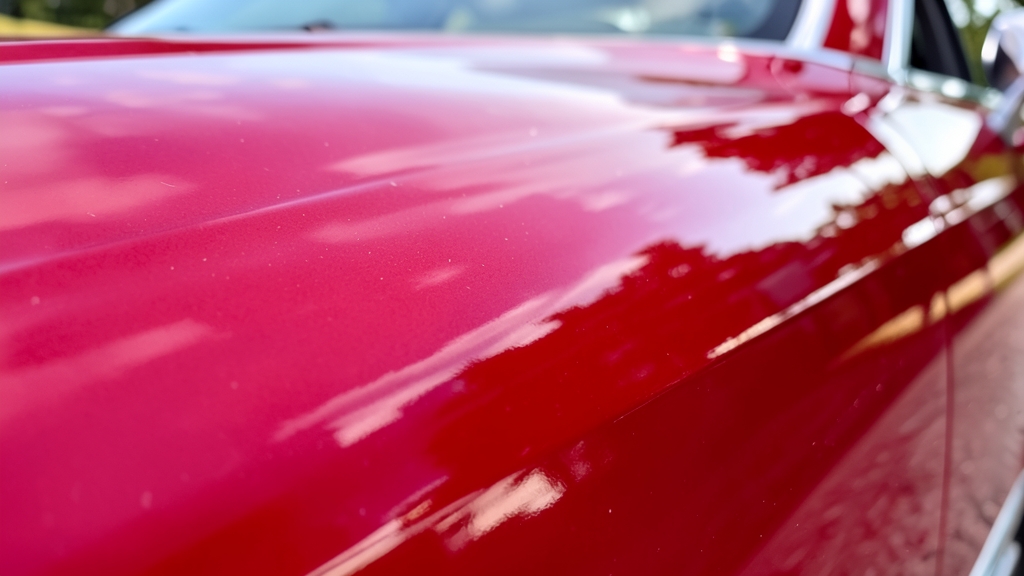
Ceramic coatings create a hydrophobic, glass-like shield on your vehicle’s paint, but improper drying can ruin that finish overnight. We rely on premium microfiber towels to preserve that mirror-like clarity and prevent swirls, especially under Ocala’s intense sun and seasonal pollen. Here’s why they’re non-negotiable for long-term protection.
The Role of Microfiber in Ceramic Coating Care
Ceramic coatings bond at the molecular level, forming a 9H-hardness layer that repels water, UV rays, and contaminants. But even this durable finish is vulnerable to scratches from improper drying tools.
Microfiber’s ultra-fine synthetic fibers (typically 70% polyester, 30% polyamide) lift and trap dirt particles instead of dragging them across the surface. This prevents micro-scratches that dull the coating’s hydrophobic effect.
Why Regular Towels and Sponges Fail
Cotton towels, paper towels, or sponges contain coarse fibers and embedded grit that act like sandpaper on a ceramic-coated surface. Even a single wash with these can introduce swirl marks that require paint correction to fix.
Ocala’s limestone dust and pine pollen are especially abrasive. Standard materials push these contaminants into the coating, accelerating wear and reducing the lifespan of your investment.
Never use kitchen or bath towels on your vehicle. Their loose fibers and detergent residues can etch into the coating and leave behind hazing.
Microfiber Towel Types: What Works Best for Ceramic Coating Ocala
Not all microfiber is equal. For ceramic coatings, we recommend **plush, short-nap towels (300-500 GSM)** for drying and **waffle-weave towels** for applying quick detailers or ceramic boosters.
Long-nap towels are great for dusting but can trap too much water, while cheap, thin microfiber lacks the density to safely absorb contaminants without scratching.
| Towel Type | Best For | GSM Range | Nap Length |
|---|---|---|---|
| Plush Short-Nap | Drying, final wipe-downs | 300-500 | Short |
| Waffle-Weave | Applying sprays, boosters | 250-400 | Medium |
| Long-Nap | Dusting, interior surfaces | 200-300 | Long |
| Edgeless | Sensitive areas (wheels, trim) | 350-450 | Short |
The Science Behind Swirl-Free Drying
Microfiber’s split-fiber construction creates millions of tiny hooks that lift dirt away from the surface. This is critical in Ocala, where frequent rain and humidity leave water spots that can etch into unprotected areas.
A proper drying technique—using a clean, high-GSM towel and patting (not wiping)—ensures no residual grit is left behind. This maintains the coating’s self-cleaning properties and hydrophobic beading.
Use one microfiber towel to dry and a second to buff any remaining streaks. This prevents cross-contamination and ensures a flawless finish.
How Ocala’s Climate Demands Better Tools
Florida’s heat and humidity mean your vehicle is constantly exposed to UV rays, tree sap, and bug splatter. Microfiber towels remove these contaminants without breaking down the coating’s SiO2 matrix.
In neighborhoods like Marion Oaks or The Villages, where dust from construction or agricultural activity is common, microfiber’s ability to trap particles is even more critical. Poor drying tools here can lead to premature coating failure.
Microfiber vs. Other Drying Methods
Blowers, chamois, and synthetic leather tools are popular, but they lack microfiber’s ability to absorb and trap contaminants. Blowers can even force dirt into the coating’s pores if not used with a pre-wash grit guard.
For vehicles with full-vehicle ceramic coatings or paint protection film in areas like Belleview or Dunnellon, microfiber remains the safest, most consistent choice for daily and post-wash care.
Maintaining Your Microfiber Towels for Longevity
Wash microfiber towels separately from other laundry using a pH-neutral detergent. Fabric softeners and bleach coat the fibers, reducing their ability to absorb water and trap dirt.
Air-drying is ideal, but if using a dryer, avoid high heat. Over time, improper care turns microfiber into a scratch-inducing hazard—defeating its purpose for ceramic coating upkeep.
Microfiber Towel Care Checklist
- Wash separately in a mesh bag
- Use pH-neutral, dye-free detergent
- Avoid fabric softeners and bleach
- Air-dry or use low heat
- Replace when fibers feel stiff or rough
Beyond Paint: Microfiber for Wheels, Glass, and Interiors
Microfiber isn’t just for paint. For wheel and brake caliper ceramic coatings, edgeless microfiber towels prevent scratching on delicate finishes. They’re also ideal for ceramic window tint and interior ceramic protection, where dust and fingerprints are common.
In Silver Springs or Dunnellon, where off-road debris is a concern, dedicated microfiber towels for wheels and lower panels help maintain the coating’s integrity in high-impact areas.
How to Dry Your Ceramic-Coated Vehicle Like a Pro
Follow these steps to ensure your ceramic coating stays pristine after every wash.
- 1Pre-Wash Rinse
Use a pressure washer or foam cannon to remove loose dirt before touching the surface. This minimizes the risk of dragging contaminants across the coating.
- 2Two-Bucket Wash
Wash with a grit guard in each bucket—one for soapy water, one for rinsing your mitt. This prevents re-depositing dirt onto the paint.
- 3Pat Dry with Plush Microfiber
Use a clean, high-GSM microfiber towel to pat the surface dry. Avoid circular motions; instead, use straight lines to lift water and dirt away.
- 4Buff with a Second Towel
Use a fresh microfiber towel to buff any remaining water spots or streaks. This ensures a spotless, streak-free finish.
- 5Inspect Under Light
Check the vehicle under direct light or sunlight to catch any missed spots or swirls. Address them immediately with a quick detailer and another clean towel.
Frequently Asked Questions
Can I use any microfiber towel for my ceramic coating in Ocala?
No. Low-quality or old microfiber towels can cause scratches. Stick to high-GSM (300-500), short-nap towels specifically designed for automotive use. These are gentle enough for the 9H hardness of ceramic coatings.
How often should I replace my microfiber towels?
Replace them when the fibers feel rough, stiff, or less absorbent—usually every 6-12 months with proper care. In Ocala’s dusty conditions, you may need to rotate towels more frequently to avoid cross-contamination.
What’s the best way to dry a ceramic-coated vehicle after rain?
Use a plush microfiber towel to gently pat the surface dry. Avoid letting water spots sit, as Ocala’s mineral-rich rainwater can etch into the coating over time if not removed promptly.
Do I need different towels for paint, wheels, and glass?
Yes. Dedicated towels prevent cross-contamination. Use edgeless microfiber for wheels and brake calipers (which accumulate brake dust) and waffle-weave towels for glass to avoid streaking.
Can microfiber towels damage a ceramic coating if not washed properly?
Absolutely. Residue from detergents, fabric softeners, or improper washing can turn microfiber abrasive. Always wash towels separately with pH-neutral soap and avoid high heat to preserve their effectiveness.
Is microfiber necessary for vehicles with paint protection film (PPF) in Ocala?
Yes. While PPF is more resistant to scratches than paint, microfiber towels still provide the safest drying and cleaning method. They help maintain the film’s clarity and hydrophobic properties, especially in high-contaminant areas like Silver Springs.