7 Clear Signs Your Ceramic Coating Is Fading and Needs Reapplication in Ceramic Coating Ocala
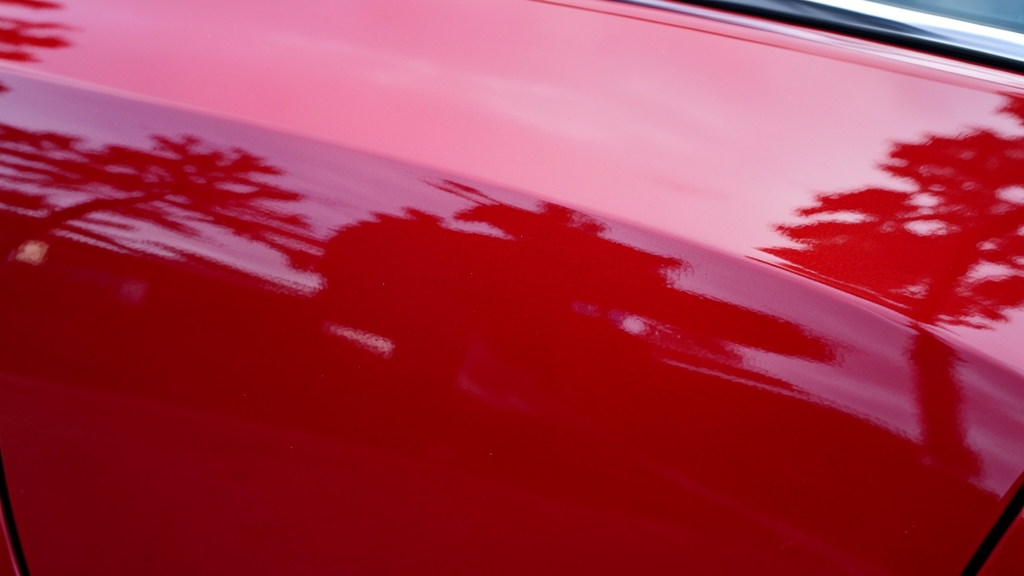
Ceramic coatings don’t last forever—even in Florida’s harsh sun. Over time, UV rays, road grime, and improper care break down that glass-like shield. We see it daily in Ocala: vehicles that once beaded water like a freshly waxed show car now look dull and unprotected. Here’s how to tell if yours is fading before the damage spreads.
Fading Hydrophobic Performance: The First Red Flag
A healthy ceramic coating repels water so aggressively that beads race off the surface. If water starts sheeting or leaving behind spots instead of tight, round beads, the hydrophobic layer is weakening. This is often the earliest sign we notice on cars from The Villages to Silver Springs.
Florida’s humidity and frequent rain accelerate this degradation. Even a slight reduction in beading means the coating’s self-cleaning ability is compromised, and contaminants stick more easily.
Spray a fine mist of water on a clean panel. If beads don’t form within seconds, your coating’s hydrophobic properties are fading.
Dull or Hazy Paint That Won’t Shine
Ceramic coatings enhance gloss by filling microscopic imperfections in the clear coat. When the coating wears, that mirror-like depth disappears, leaving paint looking flat or cloudy—common on darker vehicles in Dunnellon and Marion Oaks.
This dullness isn’t just aesthetic. It signals the coating is no longer reflecting UV rays effectively, leaving your paint vulnerable to oxidation.
Increased Water Spotting and Mineral Deposits
Hard water in Ocala leaves mineral deposits that etch into unprotected clear coat. A strong ceramic coating resists these spots, but as it fades, they appear faster and require more effort to remove.
If you’re scrubbing spots after every rain or car wash, your coating’s protective barrier is likely thinning. This is especially noticeable on hoods and roofs, which take the most direct UV exposure.
Swirl Marks and Micro-Scratches Reappear
Ceramic coatings add a sacrificial layer that absorbs light scratches from automatic car washes or improper drying. When swirls become visible again, the coating has worn through in those areas.
We often see this on white and silver vehicles in Belleview, where owners assume the coating is still intact because the color hides it well. A quick inspection under direct sunlight reveals the truth.
Even a fading coating can be stripped prematurely by abrasive brushes. Stick to touchless or hand washes with pH-neutral shampoo.
Reduced Chemical Resistance to Contaminants
A fresh ceramic coating laughs off bird droppings, bug splatter, and tree sap. As it degrades, these contaminants bond to the paint and require stronger cleaners—or worse, leave stains behind.
In Ocala’s rural areas, love bugs and pollen are relentless. If you’re fighting stains more often, your coating’s chemical resistance is likely compromised.
How Fading Compares to Full Failure
Not all fading means immediate reapplication. Early signs like reduced beading can be addressed with a maintenance boost, while advanced stages require full removal and reinstallation.
| Stage | Symptoms | Recommended Action |
|---|---|---|
| Early Fading | Slightly reduced beading, minor dullness | Maintenance wash with ceramic boost spray |
| Moderate Fading | Water sheeting, visible swirls, frequent spotting | Light paint correction + ceramic top-up |
| Advanced Fading | No beading, heavy oxidation, deep scratches | Full decontamination, paint correction, fresh coating application |
Why Ocala’s Climate Accelerates Coating Breakdown
Florida’s UV index is brutal—especially in summer. Ceramic coatings degrade faster here than in northern states, often losing 30-50% of their lifespan without proper upkeep.
Add in pollen from Silver Springs, road salt from coastal trips, and the abrasive dust from Marion Oaks’ limestone roads, and it’s clear why local vehicles need more frequent inspections.
When to Consider Reapplication vs. Alternatives
If your coating is in the early stages of fading, a ceramic boost spray or light correction may restore protection. But for moderate to advanced fading, a full reapplication is the only solution.
For vehicles in The Villages or Dunnellon with heavy sun exposure, pairing a new ceramic coating with paint protection film on high-impact areas (like the hood and front bumper) can extend durability.
How to Inspect Your Ceramic Coating for Fading
A thorough check takes 10 minutes and can save you from costly paint correction later.
- 1Wash and Dry the Vehicle
Use a pH-neutral shampoo and microfiber towels to remove all surface contaminants. A clean surface ensures accurate testing.
- 2Test Hydrophobic Properties
Spray water on a horizontal panel. Healthy coatings form tight, high beads that roll off easily. Weak coatings let water sheet or leave residue.
- 3Check for Gloss Under Direct Light
Park in sunlight and inspect the paint at multiple angles. Fading coatings lose their deep, reflective shine, especially on darker colors.
- 4Look for Water Spots and Etching
Run your fingers over the paint after rain. If you feel rough spots or see mineral deposits, the coating is no longer repelling contaminants effectively.
- 5Inspect for Swirl Marks
Use a flashlight at a low angle to spot fine scratches. A functioning coating should minimize their visibility.
Frequently Asked Questions
How long does a ceramic coating last in Ocala’s climate?
With proper maintenance, most ceramic coatings last 2-5 years here. However, Florida’s UV exposure, frequent rain, and abrasive pollutants can shorten that window. Request a quote to assess your specific vehicle and driving conditions.
Can I apply a new ceramic coating over a fading one?
No. A new coating won’t bond properly to a degraded layer. We always remove the old coating first through decontamination and, if needed, light paint correction to ensure maximum adhesion and durability.
What’s the difference between fading and a failed ceramic coating?
Fading means the coating’s protective properties are weakening—you’ll notice reduced beading, dullness, or minor swirls. Failure means the coating is completely gone, leaving paint exposed to UV, chemicals, and scratches.
Does paint correction damage my existing ceramic coating?
When done professionally, paint correction removes only the top layer of the coating to eliminate defects. We use fine polishes and careful techniques to preserve as much of the original coating as possible.
Are there areas in Ocala where ceramic coatings fade faster?
Vehicles parked outside in Silver Springs or The Villages see faster degradation due to direct sun exposure. Cars in Dunnellon or Marion Oaks may face more abrasive dust from unpaved roads, accelerating wear.
Can I extend my ceramic coating’s life with maintenance?
Absolutely. Regular washes with pH-neutral shampoo, ceramic boost sprays every 6-12 months, and avoiding automatic brush washes can add years to your coating’s lifespan. We offer maintenance packages tailored to Ocala’s conditions.