How to Choose a Ceramic Coating That Withstands Ocala’s Heat in Ceramic Coating Ocala, FL
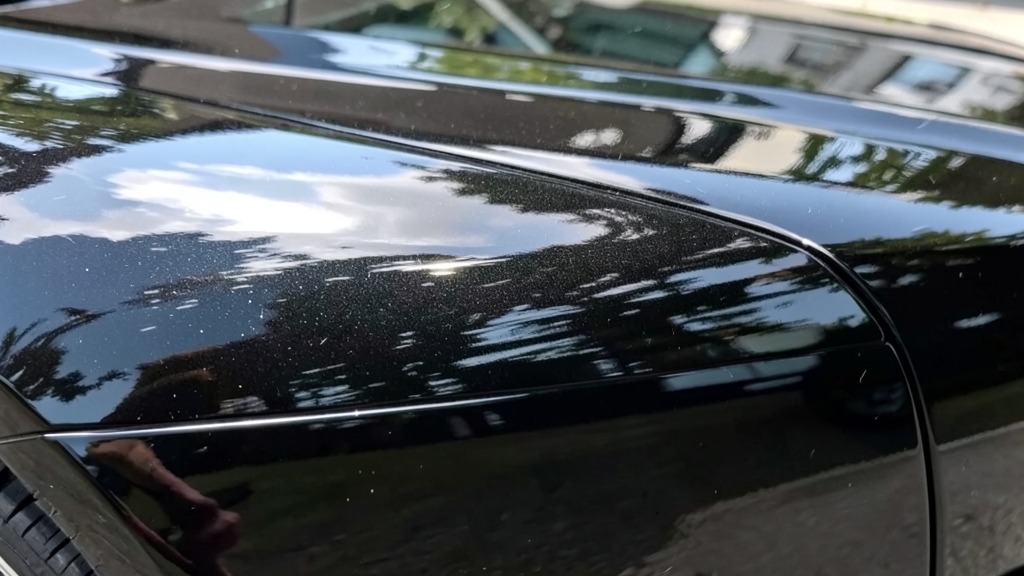
Ocala’s relentless sun and humidity demand more than a basic wax or sealant. We’ve seen firsthand how the wrong ceramic coating fades, yellows, or fails under Florida’s UV assault. The right one bonds at the molecular level, repels heat, and keeps your finish glossy for years—not months.
Why Ocala’s Climate Demands a High-Grade Ceramic Coating
Central Florida’s UV index often hits extreme levels, accelerating paint oxidation and fading. A premium ceramic coating with high SiO2 or TiO2 content creates a sacrificial layer that absorbs and dissipates this energy, protecting your clear coat.
Humidity and frequent rain in Marion County also mean water spotting and mineral deposits. A true nano-ceramic polymer forms a hydrophobic surface, causing water to bead and sheet off before spots can etch into the paint.
Heat isn’t just about UV—pavement temperatures in Ocala can exceed 140°F. Thermal stability in the coating prevents softening or discoloration, unlike cheaper products.
SiO2 vs. TiO2: The Chemistry Behind Lasting Protection
Silicon dioxide (SiO2) is the backbone of most consumer-grade ceramic coatings. It offers excellent hydrophobicity and gloss but may struggle with long-term UV resistance in intense climates like ours.
Titanium dioxide (TiO2) boosts UV absorption and thermal stability, making it ideal for Ocala’s conditions. High-end coatings often blend both for balanced performance—gloss from SiO2, durability from TiO2.
The cross-linking density of the polymer matrix matters more than marketing hype. More cross-links mean better resistance to chemicals, heat, and physical abrasion.
| Property | SiO2-Based Coatings | TiO2-Enhanced Coatings |
|---|---|---|
| Hydrophobicity | Excellent | Very Good |
| UV Resistance | Good | Superior |
| Thermal Stability | Moderate | High |
| Gloss Enhancement | High | High |
| Durability (Years) | 2-4 | 5-7+ |
Thickness and Hardness Aren’t Everything—But They Matter
A 9H hardness rating sounds impressive, but it’s a pencil-test metric with no real-world durability assurance. What matters more is the coating’s ability to resist swirls, bird droppings, and tree sap—common in Ocala’s rural and suburban areas.
Thickness (measured in microns) does correlate with longevity. Entry-level coatings apply at 0.5–1 micron; professional-grade products reach 2–5 microns, offering deeper protection against environmental contaminants.
Beware of overhyped ‘10H’ claims. Hardness without flexibility can lead to cracking under thermal expansion, especially on darker vehicles that absorb more heat.
A harder coating isn’t always better if it lacks elasticity. Ocala’s temperature swings can cause brittle coatings to micro-fracture over time.
Prep Work: The Hidden Key to Ceramic Coating Longevity
No ceramic coating will perform well over swirl-marked or oxidized paint. We always start with paint correction—compounding, polishing, and sometimes a light wet-sand—to ensure a flawless base for bonding.
Ocala’s iron-rich water and road grime can embed in paint. A thorough decontamination with clay bars and iron removers is non-negotiable before application. Skipping this step risks premature failure.
For vehicles in Belleview or The Villages, where dust and pollen are constant, we recommend a two-step correction process. This ensures the coating adheres uniformly, maximizing its hydrophobic and self-cleaning properties.
Essential Prep Steps Before Ceramic Coating
- Wash with pH-neutral soap to remove surface dirt
- Decontaminate with clay bar and iron remover
- Perform paint correction (compound, polish, refine)
- Inspect under halogen lights for missed defects
- Final wipe-down with IPA or panel prep solution
Gloss vs. Protection: Striking the Right Balance
Some drivers in Ocala prioritize mirror-like gloss, while others care most about longevity. The good news: top-tier ceramic coatings deliver both. The nano-particles fill microscopic paint imperfections, amplifying reflectivity while adding a protective shell.
If you’re coating a daily driver in Marion Oaks or Dunnellon, opt for a product with a slight matte or satin finish. These hide minor swirls better than ultra-glossy coatings and require less maintenance.
For show cars or luxury vehicles, a high-gloss ceramic coating paired with a graphene-infused topper can achieve that ‘wet look’ while maintaining heat resistance.
Maintenance: How to Extend Your Coating’s Life in Florida’s Heat
Even the best ceramic coating needs care. Wash your vehicle every 1–2 weeks with a pH-neutral shampoo to prevent dirt buildup, which can degrade the hydrophobic layer over time.
Avoid automatic car washes with harsh brushes—they can introduce micro-scratches. In Ocala, touchless or hand-wash bays are safer for coated vehicles.
Every 6–12 months, apply a ceramic boost spray or detailer spray to refresh the hydrophobic properties. This is especially critical after Florida’s summer storms, which leave behind mineral deposits.
After heavy rain, rinse your vehicle with distilled water to prevent water spots from etching into the coating. Ocala’s tap water is notoriously hard.
Ceramic Coating vs. Paint Protection Film: When to Choose PPF
Ceramic coatings excel at UV protection, gloss, and ease of maintenance. But for areas prone to rock chips—like hoods and bumpers on Ocala’s rural roads—Paint Protection Film (PPF) is the better choice.
Many of our clients in Silver Springs and The Villages combine both: PPF on high-impact zones and a ceramic coating over the entire vehicle for a seamless, high-gloss finish.
PPF is self-healing and thicker, but it lacks the hydrophobic and self-cleaning properties of ceramic coatings. The two technologies complement each other perfectly in Florida’s harsh conditions.
Local Considerations: Ocala’s Unique Challenges
Ocala’s mix of urban and rural driving means your coating faces everything from highway bugs to farm dust. A coating with strong chemical resistance will hold up better against insect acids and agricultural runoff.
The Villages’ golf cart paths and Dunnellon’s limestone roads kick up abrasive particles. If you frequently drive in these areas, consider a ceramic coating with added graphene for extra scratch resistance.
For fleet or commercial vehicles in Marion County, we often recommend a ceramic coating with anti-graffiti properties. It makes cleaning off spray paint or adhesives much easier.
How to Test a Ceramic Coating’s Quality Before Committing
Not all ceramic coatings are created equal—here’s how to separate the best from the rest.
- 1Check the Cure Time
Professional-grade coatings require 24–48 hours to fully cure. If a product claims to be ‘ready in 1 hour,’ it’s likely a low-solid sealant, not a true ceramic.
- 2Water Beading Test
After application, mist water on the surface. True ceramic coatings will bead into near-perfect spheres and sheet off instantly. Poor coatings produce flat, lazy beads.
- 3UV Resistance Claim
Look for independent lab test results proving UV resistance. Many brands cite ‘UV protection’ without data. TiO2-enhanced coatings are your safest bet in Ocala.
- 4Warranty Transparency
Reputable installers offer warranties tied to proper prep and maintenance. Avoid vague ‘lifetime’ promises—real ceramic coatings last 2–7 years, depending on care and climate.
- 5Ask About Layering
High-end coatings often require multiple layers for maximum durability. Single-layer products may not hold up to Ocala’s heat and humidity long-term.
Frequently Asked Questions
How long does a ceramic coating last in Ocala’s climate?
With proper prep and maintenance, a professional-grade ceramic coating typically lasts 3–5 years in Ocala. High-end products with TiO2 can push that to 5–7 years. Heat, UV, and improper washing are the biggest factors that shorten lifespan.
Can I apply a ceramic coating myself, or should I hire a pro in Ceramic Coating Ocala?
DIY ceramic coatings are available, but Ocala’s climate demands precision. Professional installers have the tools, lighting, and experience to correct paint flaws and apply the coating evenly. A botched DIY job can lead to streaks, uneven curing, or premature failure.
Will a ceramic coating prevent water spots in Ocala?
It significantly reduces them. The hydrophobic surface causes water to bead and roll off before minerals can deposit. However, in extreme cases (like after a heavy rain with high mineral content), you may still need to rinse with distilled water to avoid etching.
Is ceramic coating worth it for older cars in Ocala?
Absolutely—if the paint is in good condition. We often restore older vehicles with paint correction before applying a ceramic coating. It’s a cost-effective way to protect and rejuvenate fading or oxidized paint, especially for classics or daily drivers in Belleview or Silver Springs.
Can ceramic coating be applied over existing wax or sealant?
No. Wax, sealants, and even some detailer sprays leave residues that prevent the ceramic coating from bonding to the paint. A thorough decontamination and prep process is required to remove all existing products before application.
Does ceramic coating work on matte or satin paint finishes?
Yes, but it requires a specialized matte-specific ceramic coating. Regular ceramic coatings will add an unwanted gloss to matte or satin finishes. We use products designed to preserve the original flat look while adding protection.