DIY vs. Professional Maintenance for Your Ceramic Coating in Ocala in Ceramic Coating Ocala, FL
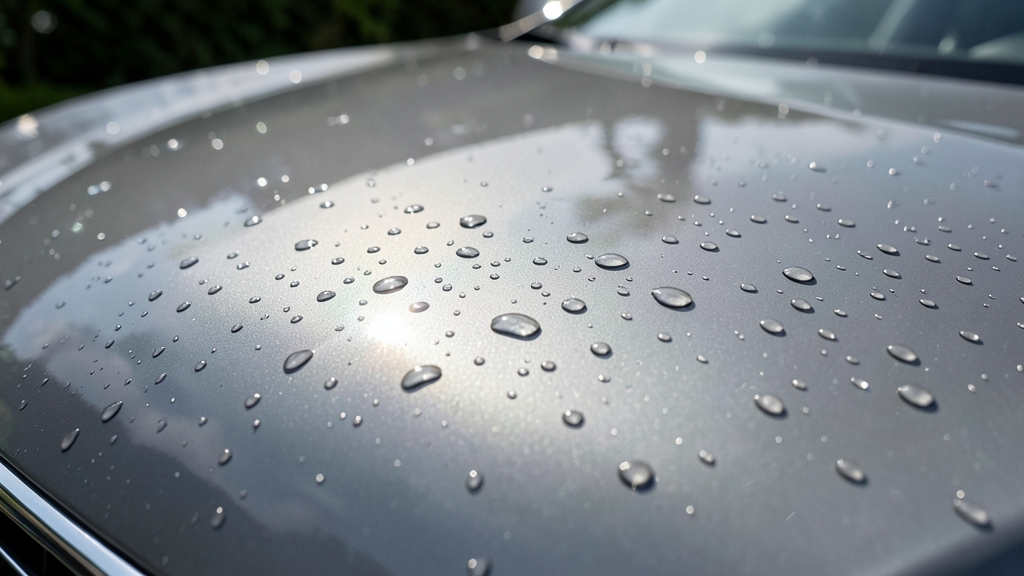
Ceramic coatings are a game-changer for vehicle protection, but their longevity hinges on proper upkeep. In Ocala’s humid climate, high-quality coatings degrade faster without the right maintenance. We break down when DIY care suffices—and when only a professional touch will preserve your finish.
Why Ceramic Coatings Need Maintenance in Ocala’s Climate
Ocala’s high humidity and intense UV exposure accelerate contaminants like hard water spots, tree sap, and pollen buildup. These bond to your coating’s hydrophobic surface, reducing its self-cleaning efficiency over time.
Without regular maintenance, embedded contaminants can etch into the clear coat beneath the ceramic layer. Even a 9H-rated coating isn’t immune to Florida’s harsh conditions without proactive care.
What DIY Maintenance Can (and Can’t) Handle
DIY maintenance excels at routine cleaning and light contaminant removal. A pH-neutral car soap, microfiber wash mitts, and the two-bucket method keep your coating’s hydrophobic properties intact between professional services.
However, DIY lacks the tools for deep decontamination. Iron particles, tar, and industrial fallout require professional-grade clay bars and iron removers to avoid scratching the coating during removal.
Rinse your vehicle immediately after rain to prevent hard water spots from bonding. Ocala’s tap water is notoriously mineral-rich, which can dull your coating’s gloss faster than you’d expect.
The Professional Advantage: Tools and Techniques You Can’t Replicate
Professionals use steam cleaners, high-pressure foam cannons, and specialized decontamination sprays to safely remove embedded grime without compromising the coating. These tools reach areas DIY methods miss, like wheel wells and door jams.
We also perform paint inspections to catch early signs of coating degradation. In Ocala, this often means addressing water spots or oxidation before they require a full reapplication.
DIY vs. Professional Maintenance: A Side-by-Side Comparison
Not all maintenance tasks are created equal. Some are perfect for weekend DIY, while others demand a pro’s expertise to avoid damaging your coating.
| Task | DIY Feasibility | Professional Necessity |
|---|---|---|
| Routine washing with pH-neutral soap | High | Low |
| Decontamination (clay bar, iron remover) | Moderate (risk of scratches) | High |
| Hydrophobic top-up sprays | High | Low |
| Swirl mark or water spot removal | Low (risk of damaging coating) | High |
| UV and oxidation inspection | Low | High |
| Wheel and brake caliper cleaning | Moderate (time-consuming) | High (for coated wheels) |
Common DIY Mistakes That Ruin Ceramic Coatings
Using dish soap or household cleaners strips the coating’s hydrophobic layer. Always stick to pH-neutral automotive soaps—even ‘mild’ degreasers can break down nano-ceramic polymers over time.
Drying with regular towels or air drying in Ocala’s sun leaves water spots. Microfiber drying towels and a blower are non-negotiable to prevent mineral deposits from etching your finish.
Never use a pressure washer’s highest setting directly on the coating. The force can lift edges of the ceramic layer, especially around panels or trim. Stick to 1,500–2,000 PSI at a 45-degree angle.
When to Call a Pro: Signs Your Coating Needs Expert Attention
If water no longer beads uniformly or sheets off the surface, your coating’s hydrophobic properties are fading. This often happens after 12–18 months in Ocala’s climate, even with diligent DIY care.
Visible swirl marks, haze, or reduced gloss indicate the coating may be compromised. These issues often stem from improper washing techniques or environmental contaminants that DIY methods can’t fully address.
Red Flags for Professional Maintenance
- Water spots that won’t rinse off
- Loss of hydrophobic beading
- Visible swirls or marring
- Dull or hazy finish
- Coating peeling or flaking at edges
How Often Should You Maintain a Ceramic Coating in Ocala?
For most drivers, a professional inspection and maintenance service every 6–12 months keeps the coating performing optimally. This timeline accounts for Ocala’s high UV index and frequent rain.
DIY washing should happen every 1–2 weeks, with a decontamination wash (clay bar or iron remover) every 3–4 months. Fleet vehicles or daily drivers in areas like The Villages may need more frequent care due to dust and debris.
Pairing Maintenance with Other Protective Services
Ceramic coatings work best as part of a layered protection system. Pairing them with paint protection film (PPF) on high-impact areas (like the hood and bumper) adds a sacrificial layer against rock chips and scratches.
For full coverage, consider ceramic window tint to reduce UV exposure inside the cabin, or wheel and brake caliper coatings to simplify cleaning in Ocala’s dusty conditions. Interior ceramic protection also shields dashboards and leather from sun damage.
How to Safely Wash Your Ceramic-Coated Vehicle at Home
Follow these steps to clean your vehicle without damaging the coating.
- 1Pre-Rinse Thoroughly
Use a foam cannon or pressure washer (1,500–2,000 PSI) to remove loose dirt. Start from the top and work downward to avoid re-soiling cleaned areas.
- 2Use the Two-Bucket Method
Fill one bucket with pH-neutral car soap and water, and the other with clean water for rinsing your mitt. This prevents cross-contamination.
- 3Wash with a High-Quality Microfiber Mitt
Gently wash the vehicle in straight lines, not circles, to minimize swirl marks. Pay extra attention to areas like wheel wells and door jams.
- 4Decontaminate as Needed
If the surface feels rough, use a clay bar with lubricant to remove embedded contaminants. Always follow with a rinse and reapplication of a ceramic boost spray.
- 5Dry with a Clean Microfiber Towel or Blower
Pat the surface dry immediately to prevent water spots. A leaf blower on cool setting helps remove water from crevices without touching the surface.
- 6Apply a Ceramic Maintenance Spray
After drying, mist a ceramic coating maintenance spray to restore hydrophobic properties. Buff with a fresh microfiber towel for a glossy finish.
Frequently Asked Questions
Can I use a quick detailer spray on my ceramic coating in Ocala?
Yes, but choose a spray specifically designed for ceramic coatings. Avoid products with silicones or fillers, as these can leave residues that dull the finish. In Ocala’s heat, quick detailers also help remove light dust between washes.
How do I remove bird droppings from a ceramic-coated car without damaging it?
Act fast—bird droppings are acidic and can etch through the coating if left too long. Rinse the area immediately with water, then use a pH-neutral cleaner and a microfiber towel to gently remove the residue. Avoid scrubbing.
Does ceramic coating maintenance differ for vehicles in The Villages vs. Ocala?
The principles are the same, but vehicles in The Villages may require more frequent decontamination due to higher dust levels from construction and golf cart traffic. Both areas share Florida’s humidity and UV challenges.
Will professional maintenance extend the life of my ceramic coating?
Absolutely. Professional maintenance removes contaminants that DIY methods miss, preventing premature degradation. In Ocala, this can add 1–2 years to your coating’s effective lifespan, especially when paired with annual inspections.
Can I apply a new ceramic coating over an existing one in Ocala?
No. Ceramic coatings bond chemically to the paint, so layering a new coating over an old one will cause adhesion issues. The existing coating must be fully removed via paint correction before reapplication.
Is ceramic coating maintenance more expensive for larger vehicles or fleets?
Maintenance costs scale with vehicle size and the complexity of the job. Larger vehicles or fleets in areas like Belleview or Dunnellon may require more time and product, but the per-vehicle cost often decreases with bulk services. Request a quote for accurate pricing.