Ceramic Coating vs. Wax: Which Lasts Longer in Ocala’s Climate in Ceramic Coating Ocala, FL?
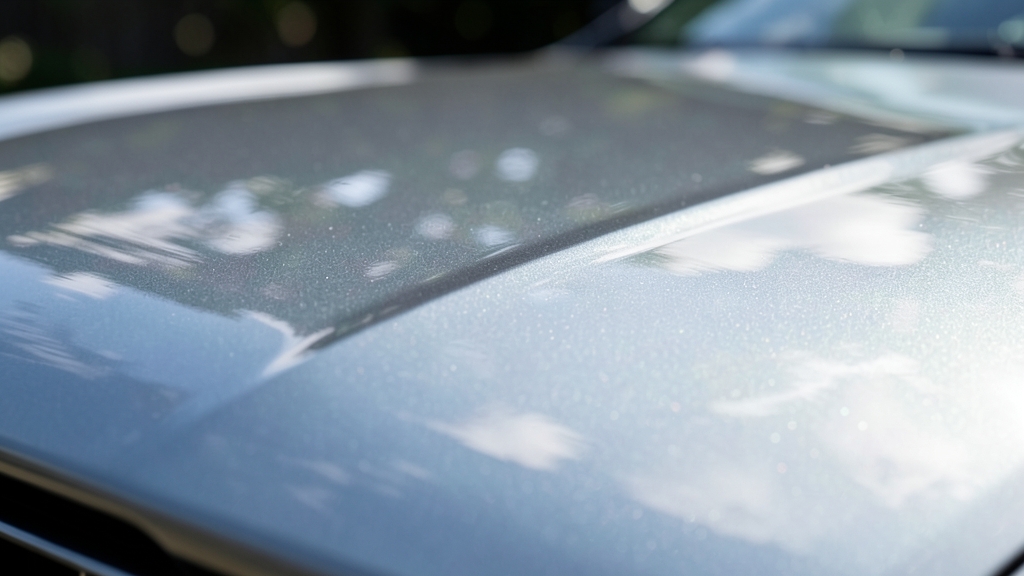
Ocala’s relentless sun, humidity, and sudden downpours put your vehicle’s finish to the test. We see firsthand how traditional wax fades fast, while ceramic coatings lock in gloss and protection for years, not weeks. The difference isn’t just longevity—it’s resilience against the elements we face daily.
Why Ocala’s Climate Demands More Than Wax
Florida’s UV index routinely hits extreme levels, accelerating paint oxidation and fading. Wax, even premium carnauba, breaks down in weeks under this assault.
Humidity and frequent rain also strip wax quickly, leaving swirls and water spots. Ceramic coatings bond molecularly with clear coat, resisting these local stressors far longer.
How Ceramic Coatings Outlast Wax by Years
Ceramic coatings use nanoceramic polymers that cure into a semi-permanent layer. This creates a hydrophobic surface repelling water, dirt, and contaminants for 2–5 years or more.
Wax, whether natural or synthetic, sits on the surface and degrades from heat, UV, and washing. Most last 1–3 months in Ocala’s conditions.
Protection Beyond Shine: UV, Chemicals, and Contaminants
Ceramic coatings block 99%+ of UV rays, preventing paint fading and clear coat peeling. Wax offers minimal UV protection, often just delaying the inevitable.
Bird droppings, tree sap, and bug splatter etch paint under wax. Ceramic’s chemical resistance buys you time to clean these without permanent damage.
After applying a ceramic coating, pair it with ceramic window tint to reduce interior heat and UV exposure. This combo extends protection inside and out.
The Hidden Costs of Relying on Wax
Frequent waxing adds up in time and product costs. In Ocala, you’ll reapply every 4–6 weeks to maintain protection, which can lead to swirl marks from improper application.
Ceramic coatings require a one-time professional application. While the upfront process is more involved, the long-term savings in time and paint correction are substantial.
Ceramic Coating vs. Wax: Side-by-Side Comparison
The table below breaks down the key differences. Note that longevity, durability, and protection are where ceramic coatings truly shine in our climate.
| Feature | Ceramic Coating | Wax |
|---|---|---|
| Lifespan | 2–5 years | 1–3 months |
| UV Protection | 99%+ Blockage | Minimal |
| Hydrophobic Properties | Extreme (beading & sheeting) | Moderate |
| Chemical Resistance | High (resists acids, alkalis) | Low |
| Scratch Resistance | Improved (9H–10H hardness) | None |
| Maintenance | Easy (self-cleaning effect) | Frequent reapplication |
| Gloss & Depth | Enhances paint clarity | Temporary shine |
| Application | Professional (paint correction first) | DIY-friendly |
When Wax Still Has a Place
Wax isn’t obsolete—it’s ideal for quick touch-ups between ceramic coating maintenance. It’s also a budget-friendly option for older vehicles where long-term investment isn’t justified.
For show cars in Belleview or The Villages, some enthusiasts layer wax over ceramic coatings for an extra pop of gloss. But this is purely aesthetic, not protective.
In areas like Marion Oaks or Dunnellon, dust and pollen are constant. Ceramic coatings reduce the need for daily washes, while wax would need weekly attention.
Prepping for Ceramic: Why Paint Correction Matters
Ceramic coatings amplify imperfections. Swirls, scratches, or oxidation will be locked in permanently if not addressed first. That’s why we always start with paint correction and polishing.
This step ensures the coating bonds to a flawless surface, maximizing gloss and longevity. Skipping it risks a lackluster finish, even with a premium ceramic product.
Beyond the Paint: Full Vehicle Protection
Ceramic coatings aren’t just for paint. We apply them to wheels, brake calipers, and even interiors to guard against brake dust, UV fading, and stains.
For ultimate defense, combine ceramic coatings with paint protection film (PPF) on high-impact areas. PPF absorbs rock chips, while ceramic keeps the rest of the vehicle pristine.
Areas to Consider for Ceramic Coating
- Full vehicle exterior paint
- Wheels and brake calipers
- Glass (ceramic window tint)
- Interior surfaces (dash, leather, trim)
- Headlights (restoration + coating)
How to Decide Between Ceramic Coating and Wax for Your Vehicle
Use this step-by-step guide to choose the right protection for Ocala’s tough conditions.
- 1Assess Your Vehicle’s Value and Condition
If your car is newer or a daily driver, ceramic coating is a smart long-term investment. For older vehicles or short-term ownership, wax may suffice.
- 2Consider Your Time and Budget
Ceramic coatings require a larger upfront commitment but save time and maintenance costs. Wax is cheaper initially but demands frequent reapplication.
- 3Evaluate Your Driving Environment
Ocala’s UV, humidity, and road debris favor ceramic coatings. If you park indoors most of the time, wax might last slightly longer.
- 4Think About Aesthetic Goals
Ceramic coatings provide deeper gloss and a showroom finish. Wax offers a warm, natural shine but fades quickly under Florida’s sun.
- 5Consult a Local Expert
Our team can inspect your paint, discuss your habits, and recommend a suitable solution. Request a quote to explore options tailored to your needs.
Frequently Asked Questions
Can I apply ceramic coating over wax?
No. Wax must be fully removed before ceramic coating application, as it prevents proper bonding. We perform a thorough decontamination and paint correction first to ensure a clean surface.
How often should I reapply wax in Ocala’s climate?
Every 4–6 weeks is ideal for maintaining protection. However, even with diligent reapplication, wax won’t match the durability of a ceramic coating in Florida’s harsh conditions.
Does ceramic coating make my car scratch-proof?
No coating is scratch-proof, but ceramic coatings (especially 9H–10H rated) significantly improve scratch resistance. For full protection against rock chips, pair it with paint protection film.
Is ceramic coating worth it for a car I plan to sell soon?
It depends. A ceramic coating can enhance resale value by preserving paint and adding appeal. For short-term ownership, a high-quality wax or sealant might be more practical.
Can ceramic coatings be applied to matte or satin finishes?
Yes, but it requires specialized products designed for non-glossy surfaces. These coatings maintain the matte look while adding protection against UV and contaminants.
What maintenance is required after ceramic coating in Ceramic Coating Ocala?
Ceramic coatings are low-maintenance but benefit from regular washing with pH-neutral soap. Avoid harsh chemicals or automatic car washes with abrasive brushes to preserve the coating’s integrity.